Therapy is one of the most effective forms of treatment for clients with NPD and co-occurring AUD. Pathways Recovery Center’s residential dual-diagnosis treatment provides clients the support they need to grow, heal, and thrive. A high functioning alcoholic is an individual who maintains a facade of success and competence while struggling with alcoholism.
- Research supports the link between some narcissistic traits and alcohol use.
- Narcissism is a personality feature that can be part of narcissistic personality disorder (NPD) in some people, and alcoholism is a substance use disorder (SUD).
- Covert narcissists, by definition, are covert because they have what Adler called an inferiority complex.
What Is Narcissism?

Establishing clear boundaries is essential in safeguarding one’s well-being and fostering healthier relationships. People with covert narcissism are chronically envious of things other people have that they lack. The results speak to the effects that different types of narcissism have on alcohol use, alcohol problems and attitudes towards alcohol problems among young adults. If you are an enabler in a narcissist’s life, it is important to recognize your role in the dynamic and take steps to change it.
- Nova Recovery Center provides compassionate, evidence-based treatment for individuals struggling with the complex challenges of being an alcoholic narcissist.
- The initial use of alcohol may require emotional readiness and cognitive choice, but subsequent use becomes habitual, reinforcing their newfound sense of power and control.
- Addressing covert narcissism and alcoholism concurrently through therapy, support groups, medication, and lifestyle adjustments is essential for promoting recovery and enhancing overall well-being.
- Understanding these consequences is crucial for recognizing the importance of comprehensive treatment.
Dove Recovery: Luxury Outpatient Alcohol Treatment Programs in Columbus, OH
Group therapy provides a supportive environment where individuals can share experiences and gain insights from others facing similar challenges. Such environments also help reveal the narcissistic behavior in people with alcohol addiction that may otherwise go unaddressed. For this reason, mental health professionals will routinely screen for substance use when diagnosing a personality disorder or screen for behavioral concerns when a person has a substance use disorder.
What personality disorder is associated with alcoholism?
Covert narcissists may also be more prone to social anxiety, passive-aggressive behavior and exacting revenge on others when they’re backed into a corner. In contrast, vulnerable narcissism, or covert narcissism, was a risk factor for future alcohol-related problems. Compared to grandiose narcissists, people in this group were more likely to acknowledge that they had a problem. A trained mental health professional is usually able to diagnose personality disorders using standardized psychiatric interview methods. Diagnosing co-occurring disorders can be difficult because the two conditions often affect each other and have overlapping symptoms. With dual diagnosis covert narcissist alcoholic patients, it is always vital to obtain treatment for both disorders at the same time.
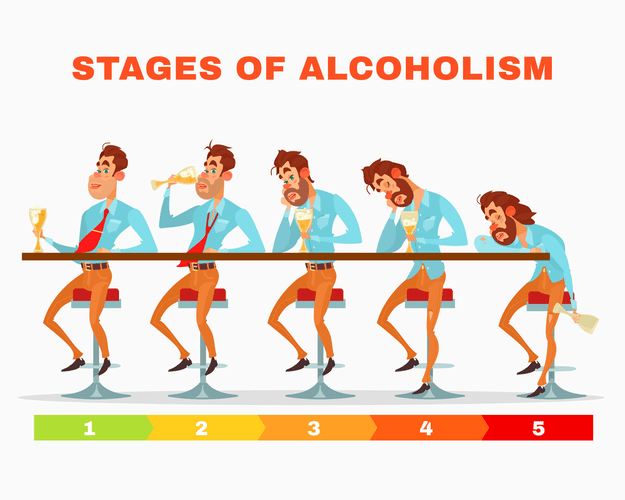
The number of criteria a person meets determines whether they have AUD, and if so, the severity of the condition. Some individuals with narcissistic traits may turn to alcohol as a coping mechanism to boost their self-image, alleviate feelings of insecurity, or escape from the demands of their grandiose persona. Alcohol use disorder and narcissism are common co-occurring disorders, and in some cases, the symptoms of the two conditions may present similarly 1.
Dual Diagnosis Treatment for Narcissism and Alcoholism
- Let Little Creek Recovery Center guide you down the right path to recovery, personal growth, and long-term sobriety.
- This breakdown can lead to deteriorating relationships and heightened social isolation, as the negative impact of alcohol on narcissistic behavior becomes more pronounced.
- Long‑term psychotherapy is the primary approach; options include CBT, dialectical behavior therapy, schema therapy, transference‑focused psychotherapy, and other relational models.
People treated for addiction are more likely to have a personality disorder. Narcissism is intense self-involvement to the extent that it makes the person overlook the needs of people around them. Although everybody may show narcissistic behavior occasionally, true narcissists often disregard other people and their feelings. In addition, they don’t seem to understand the effect their behavior has on other people.
Post-Traumatic Stress Disorder (PTSD)
Other people have experienced narcissistic abuse and have also overcome the emotional pain that comes from it. You can meet some of them by joining a support group online or in your town. Covert narcissists may often engage in gaslighting because it’s a subtle way of manipulating others without making it too obvious. You may https://ecosoberhouse.com/ also find it helpful to talk to a therapist about your experiences. So, how to stop the relationship between alcoholism and narcissism from gaining momentum? Preventing the development and escalation of narcissistic personality disorder (NPD) and alcohol use disorder (AUD) involves a combination of early intervention, education, and healthy coping strategies.
Detecting covert narcissistic alcoholic signs can be challenging, but warning signs include manipulation, lack of empathy, and a need for constant validation. Other red flags may include substance abuse, excessive pride, and a tendency to belittle others. Seeking professional help is crucial when dealing with these individuals. If you or someone you know drug addiction is struggling with the relationship between alcoholism and narcissism, seeking professional help is crucial. Addressing both conditions simultaneously through integrated treatment can lead to effective recovery and a healthier future. Little Creek Recovery provides specialized care to help you break the cycle of these co-occurring disorders.